
Are you thinking about upgrading to a smart lock[^1] but worried about a difficult installation[^2]? The fear of drilling, damaging your door, and needing a professional can be overwhelming.
No, installing a smart lock[^1] is not hard. Most modern smart lock[^1]s, especially retrofit models[^3], are designed to fit the existing, standardized holes on your door. This means you can often upgrade your lock in minutes without any drilling or special tools, making the process surprisingly simple.
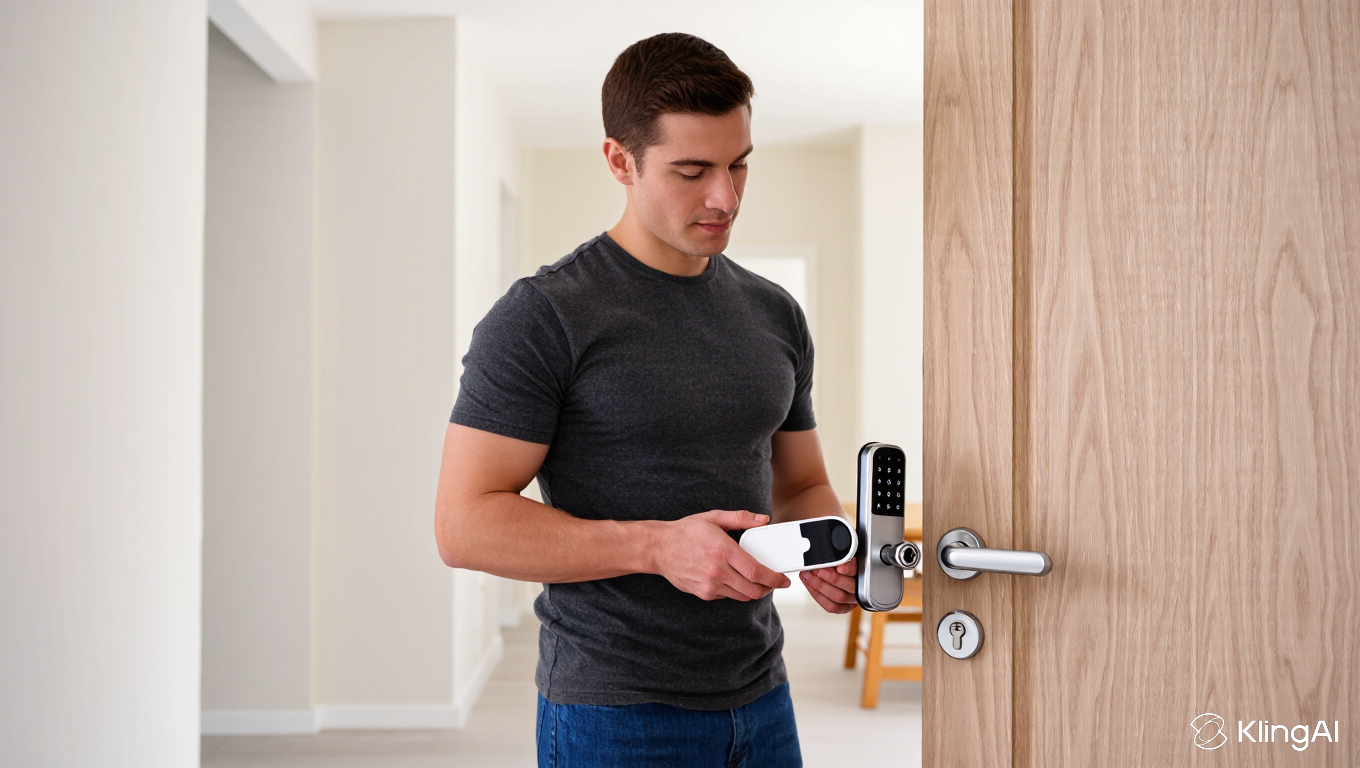
That probably sounds much easier than you expected. You might be wondering how one product can fit so many different doors from all over the world. The secret isn't magic; it's just good design based on decades of industry standards. As a manufacturer, we've spent years focused on this exact problem. Let me walk you through why installing a smart lock is a job that almost anyone can do.
How do smart lock[^1]s fit so many different doors?
You found a smart lock[^1] you like, but you're not sure it will fit your door. The thought of buying a lock only to find it's incompatible is frustrating.
Smart locks fit different doors because they are built to match existing, international standards for mechanical locks. These standards define the size and position of door holes and lock bodies. A smart lock[^1] simply uses these same measurements, ensuring it fits perfectly where your old lock was.
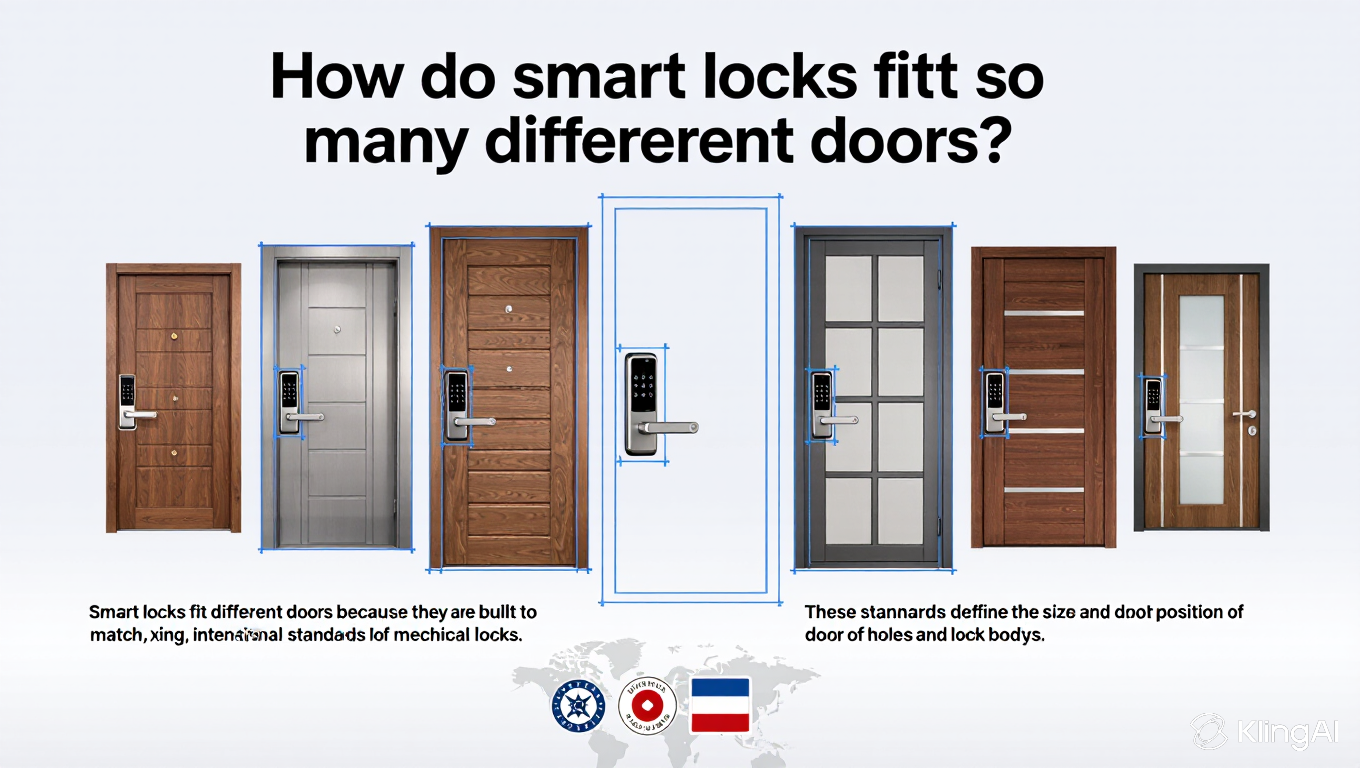
When we started in this business over 10 years ago, we came from a background in high-precision mechanical locks. We learned that the lock industry, while diverse, follows a set of unwritten rules. These rules are the established standards for lock bodies and door preparations[^4] in different regions.
The Universal Language of Locks
Think of lock standards like a global language. A door in Spain will likely have a Euro profile cylinder cutout, while a door in the United States will have a round hole for a deadbolt. They look different, but they are both standardized. We don't have to reinvent the wheel; we just have to speak the right language for each market. Our job is to create a smart lock[^1] that uses the "grammar" of that region's locks, from the backset measurement to the cylinder shape.
Our Global Research
To ensure our locks speak the right language, we do extensive on-the-ground research. I personally lead teams to our key markets in Europe, the Middle East, and South America. We don't just look at data sheets; we go to hardware stores[^5] and buy the most common mechanical locks[^6]. We visit our clients who are door manufacturers and ask them, "What are the most common door preparations[^4] you use?" This hands-on approach is the only way to guarantee compatibility. Our R&D lab has a collection of mortise locks[^7] from around the world that helps us test and validate every new design. This process ensures that when you, our partner, receive our product, it's already proven to fit the doors in your market.
| Feature | European Standard | North American Standard |
|---|---|---|
| Profile | Euro Profile Cylinder | Deadbolt & Cylindrical Knob |
| Hole Shape | Narrow, keyhole shape | Large circular bores |
| Common Use | Residential & Commercial | Primarily Residential |
| Our Solution | D1/D3 Smart Cylinders | (Specific models for region) |
What makes a retrofit smart lock[^1] so easy to install?
You want the convenience of keyless entry[^8] but dread the cost and mess of replacing your entire door lock. You just want a simple, straightforward upgrade, not a major construction project.
Retrofit smart lock[^1]s are easy to install because they work with your existing lock hardware. You only replace one small part, like the cylinder or the interior handle, while the main lock body inside the door remains untouched. This minimizes the work and requires no special skills.
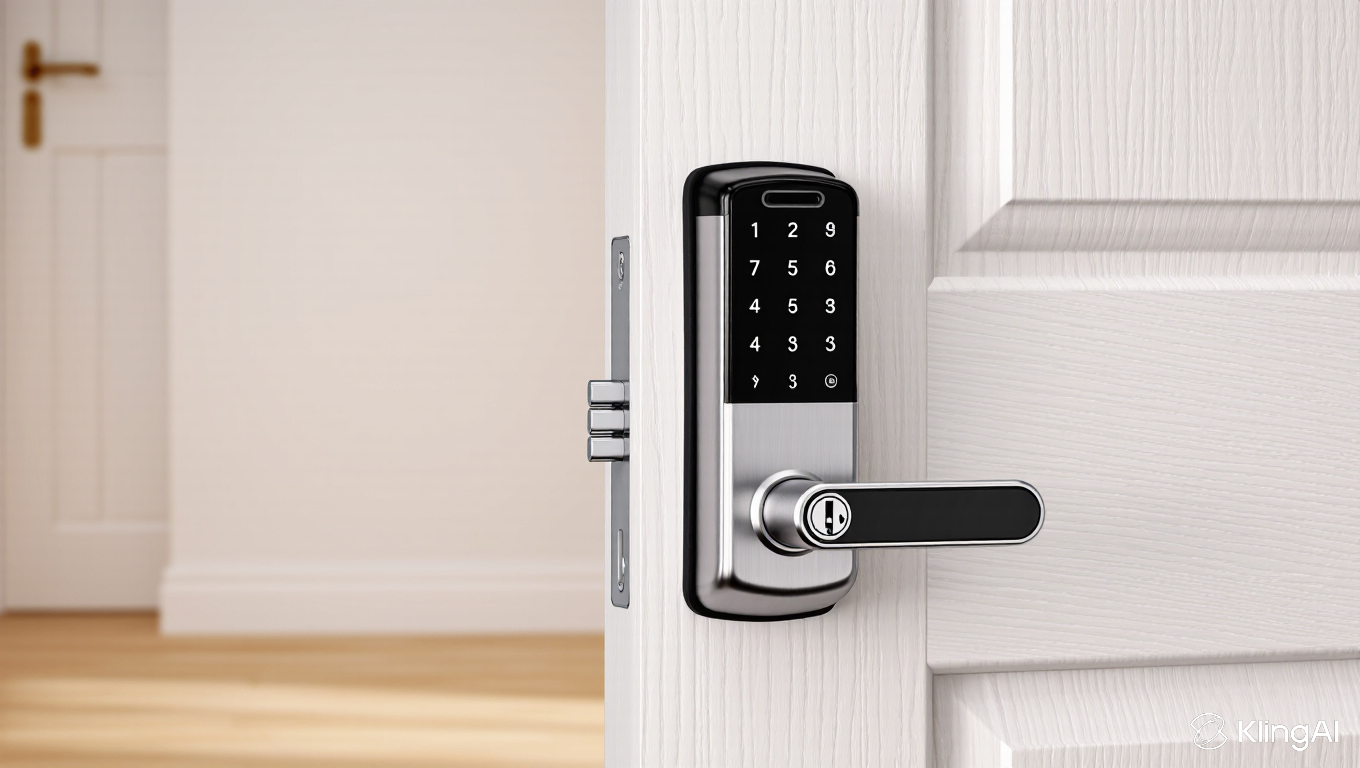
The word "retrofit" is key here. It means adding a new technology to an existing system. In our world, it means adding smart-lock "brains" to the strong, reliable "body" of your existing mechanical lock. This is the core philosophy behind our entire product line, from our D2 Motorized Smart Lock to our D3 Smart Lock Cylinder. We believe you shouldn't have to sacrifice your existing high-quality hardware to get smart features.
The Retrofit Advantage
Instead of ripping out the entire lock, a retrofit installation[^2] is clean and simple. For example, with our smart cylinders, you just need to unscrew one bolt on the side of your door, slide out the old mechanical cylinder, and slide ours in. It typically takes less than five minutes and only requires a screwdriver. The main, heavy-duty part of your lock—the mortise—is never touched. This preserves the original security[^9] and fire rating[^10] of your door while adding a powerful layer of smart access control[^11]. This approach is not only faster but also much more cost-effective for large-scale deployments in rental properties or commercial buildings.
A Tale of Two Installations
Let's compare the process to see the difference clearly.
| Task | Full Lock Replacement | Retrofit Smart Cylinder Installation |
|---|---|---|
| Tools Needed | Screwdriver, drill, chisel, tape measure | Screwdriver |
| Time Required | 45-90 minutes | 3-5 minutes |
| Steps | Remove handles, unscrew mortise, remove mortise, potentially chisel door, install new mortise, install new handles. | Unscrew retaining bolt, remove old cylinder, insert new smart cylinder, tighten retaining bolt. |
| Door Modification | Often requires drilling or chiseling. | None. |
This simplicity is why our partners—wholesalers, distributors, and access control[^11] dealers—love our retrofit solutions. They can offer their customers a powerful smart upgrade without the headache of complicated installation[^2]s.
How do you ensure your smart lock[^1]s are truly easy to install?
You might still be a little skeptical. How can a manufacturer from another country really understand the specific doors and locks used in my region? This doubt is valid, and it's why we go far beyond just reading standards.
We ensure our locks are easy to install by doing intensive, hands-on market research. Our engineers travel to target markets, buy local locks, and consult directly with door manufacturers and locksmiths[^12]. This direct feedback is built into our designs to guarantee a perfect fit.

Our commitment to easy installation[^2] is at the heart of our R&D process. It’s a promise we make to our B2B clients, who rely on us to provide products that work seamlessly for their end-users. We can't fulfill that promise from behind a desk.
Going Directly to the Source
A few years ago, we were developing our adjustable smart cylinder[^13], the D3. We knew that door thicknesses[^14] varied, but data sheets only tell part of the story. So, our engineering team went to several countries in Europe. We didn't just meet with distributors; we met with locksmiths[^12] on the job. We asked them, "What are the biggest frustrations you face during installation[^2]?" They showed us doors that were slightly thicker or thinner than the standard, forcing them to carry dozens of different cylinder sizes. This direct feedback was invaluable.
From Field Research to Product Features
That experience led directly to a key feature of our D1 Plus and D3 smart cylinders: they are adjustable in length. An installer can easily adjust the cylinder on-site to achieve a perfect, flush fit on doors of varying thicknesses. This single feature, born from listening to professionals in the field, saves our partners and their customers time, reduces inventory complexity, and eliminates the frustration of an improper fit. It's a perfect example of how our obsession with understanding the market translates into a product that is genuinely easy to install. This deep level of research gives our clients—from international hardware brands to local dealers—the confidence that they are selling a solution, not creating a problem.
Conclusion
Installing a smart lock[^1] is not hard. They are designed to fit existing standards, and retrofit models[^3] make the process incredibly simple. We do the homework so your installation[^2] is straightforward.
[^1]: Explore the advantages of smart locks, including security features and convenience, to see why they are a great upgrade. [^2]: Learn about the simple steps for installing a smart lock, making your upgrade hassle-free. [^3]: Discover how retrofit models work and why they are ideal for easy installation without major changes. [^4]: This resource will help you understand the necessary preparations for installing locks on various doors. [^5]: Find out what to consider when shopping for locks at hardware stores to ensure compatibility. [^6]: Gain insights into mechanical locks to appreciate the technology behind smart locks. [^7]: Learn about mortise locks to understand their role in smart lock installations. [^8]: Explore the benefits of keyless entry systems for enhanced security and convenience. [^9]: Explore how smart locks provide advanced security features to protect your home. [^10]: Learn about fire ratings to ensure your door locks meet safety standards. [^11]: Discover how access control features enhance security and convenience in smart lock systems. [^12]: Get insights from locksmiths on the installation process and common challenges. [^13]: Find out how adjustable smart cylinders can simplify lock installations for various door sizes. [^14]: Understanding door thickness is crucial for selecting the right lock for your home.